
Leon County Historical Society.

Plants

Historic Plants & Land Traditions

The landscape of Leon County is more than scenery—it is a living archive. Through the Isaac Young Homestead Program and our partnership with Young Busby Farms, the Leon County Historical Society (LCHS) documents historic plants and land traditions that reflect how Black-founded communities lived, farmed, healed, and sustained cultural knowledge across generations.

This page highlights the plants we are documenting and how we use site visits, oral histories, and place-based education to preserve land-based heritage. Visitors—including schools, universities, churches, and the general public—are invited to learn how plants and soil help tell the story of settlement, survival, and legacy in Leon County’s Black rural communities.

Historic Plants & Land Traditions

A 2023 site visit identified native trees, shrubs, vines, and grasses present on the land, including Black Walnut, yaupon, sassafras, mustang grape, beautyberry, dewberry, prickly pear, and native grasses such as little bluestem.

Black Walnut
Juglans nigra

Educational Description: Black walnut is a long-lived hardwood tree valued for its timber and its nuts, which have been used in Southern foodways for generations. In Black rural communities, walnut trees often carried cultural meaning tied to land stewardship, seasonal harvesting, and women’s knowledge traditions that connected food, wellness, and memory.

Black Walnuts
Harvest

Educational Description: Black walnuts were traditionally gathered from the land and used in baked goods, sweets, and seasonal recipes. In many families, harvesting walnuts also reflected community knowledge of land cycles—when to gather, how to cure them, and how to use them in ways passed down through generations.

Sassafras
albidum

Educational Description: Sassafras is a native tree known for its aromatic leaves and roots, historically used in teas and traditional Southern foodways. It is often remembered in home remedy knowledge, where plants served as everyday sources of comfort, wellness, and community care.

Yaupon
Ilex vomitoria

Educational Description: Yaupon is a native evergreen shrub historically brewed as a tea in the South and valued for its resilience in changing landscapes. Its presence reflects long-standing traditions of using local plants for everyday wellness and community life.

American Beautyberry
Callicarpa american

Educational Description: American beautyberry is a native shrub known for its bright purple berries and long-standing presence in Southern landscapes. It has been remembered in folk plant knowledge and is a visible marker of seasonal change and ecological richness in heritage landscapes.

Mustang Grape
Vitis mustangensis

Educational Description: Mustang grape is a native vine found throughout Texas and the South, producing grapes often used for jelly, preserves, and seasonal foods. Vines like these reflect how communities gathered and preserved what the land provided, transforming harvest into tradition.

Prickly Pear
Opuntia spp

Educational Description: Prickly pear cactus is a culturally significant Texas plant used historically for food, medicine, and survival knowledge. Its resilience symbolizes how communities adapted to harsh conditions, using land-based knowledge to sustain health and nourishment.

Dewberry
Rubus aboriginum

Educational Description: Dewberries are native trailing berry plants closely related to blackberries and traditionally gathered for eating, pies, and preserves. Their seasonal harvest reflects local knowledge of wild foods and the practice of sharing what the land produced.

Little Bluestem
Schizachyrium scoparium

Educational Description: Little bluestem is a native prairie grass important for soil health and habitat, often associated with historic savannah and prairie ecosystems. Its presence supports conservation education and helps tell the ecological story of the land alongside community history.

Broomsedge Bluestem
Andropogon virginicus

Educational Description: Broomsedge bluestem is a native grass common in Southern fields and transitional landscapes and often appears where land has been historically grazed or managed. It is a recognizable marker of how land changes over time through use, stewardship, and natural cycles.

Splitbeard Bluestem
Andropogon ternarius

Educational Description: Splitbeard bluestem is a native grass found in prairie and open woodland ecosystems and valued for supporting habitat and land stability. It reflects the ecological richness of heritage landscapes and supports education about conservation and land stewardship practices.

Sweet Gums

Educational Description: Splitbeard bluestem is a native grass found in prairie and open woodland ecosystems and valued for supporting habitat and land stability. It reflects the ecological richness of heritage landscapes and supports education about conservation and land stewardship practices.

Walnut Tree

Educational Description: Splitbeard bluestem is a native grass found in prairie and open woodland ecosystems and valued for supporting habitat and land stability. It reflects the ecological richness of heritage landscapes and supports education about conservation and land stewardship practices.

Post Oak

Educational Description: Splitbeard bluestem is a native grass found in prairie and open woodland ecosystems and valued for supporting habitat and land stability. It reflects the ecological richness of heritage landscapes and supports education about conservation and land stewardship practices.

Hickories

Educational Description: Splitbeard bluestem is a native grass found in prairie and open woodland ecosystems and valued for supporting habitat and land stability. It reflects the ecological richness of heritage landscapes and supports education about conservation and land stewardship practices.

Live Oaks

Educational Description: Splitbeard bluestem is a native grass found in prairie and open woodland ecosystems and valued for supporting habitat and land stability. It reflects the ecological richness of heritage landscapes and supports education about conservation and land stewardship practices.

Plants Identified During the 2023 Site Visit

A 2023 site visit identified native trees, shrubs, vines, and grasses present on the land, including Black Walnut, yaupon, sassafras, mustang grape, beautyberry, dewberry, prickly pear, and native grasses such as little bluestem.

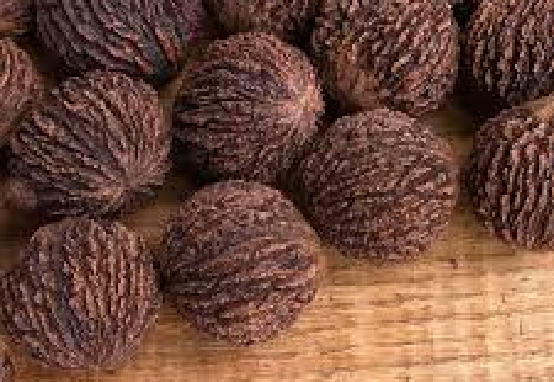
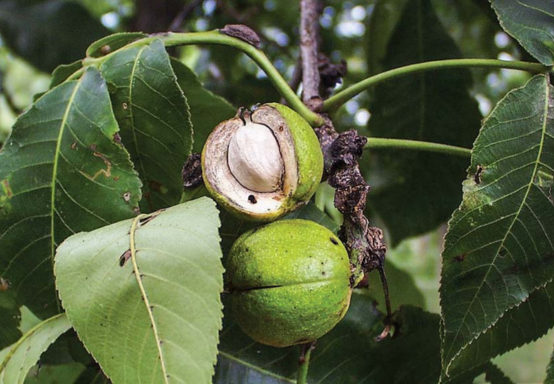
Black walnuts — traditional harvest used in foodways, home remedies, and preservation education connected to land traditions.

Black Walnut
Juglans nigra

Black walnut is a long-lived hardwood tree valued for its timber and its nuts, which have been used in Southern foodways for generations. In Black rural communities, walnut trees often carried cultural meaning tied to land stewardship, seasonal harvesting, and women's knowledge traditions that connected food, wellness, and memory.
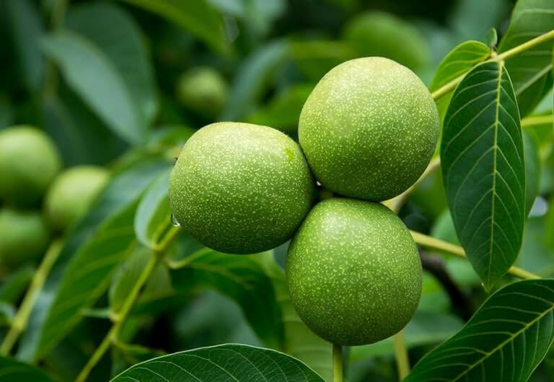
Black walnuts — traditional harvest used in foodways, home remedies, and preservation education connected to land traditions.

Black Walnuts (Harvest)
Juglans nigra

Black walnuts were traditionally gathered from the land and used in baked goods, sweets, and seasonal recipes. In many families, harvesting walnuts also reflected community knowledge of land cycles—when to gather, how to cure them, and how to use them in ways passed down through generations.
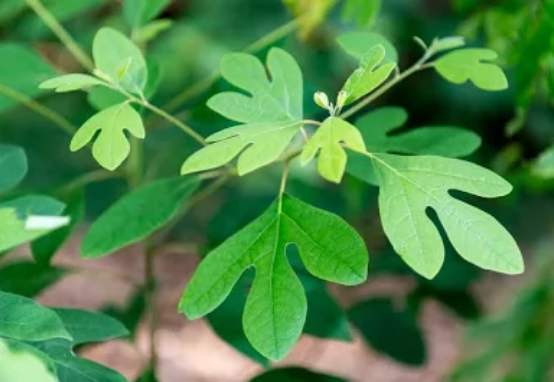
Sassafras — historic Southern plant often connected to traditional foodways and home remedy knowledge

Sassafras
Sassafras albidum

Sassafras is a native tree known for its aromatic leaves and roots, historically used in teas and traditional Southern foodways. It is often remembered in home remedy knowledge, where plants served as everyday sources of comfort, wellness, and community care.
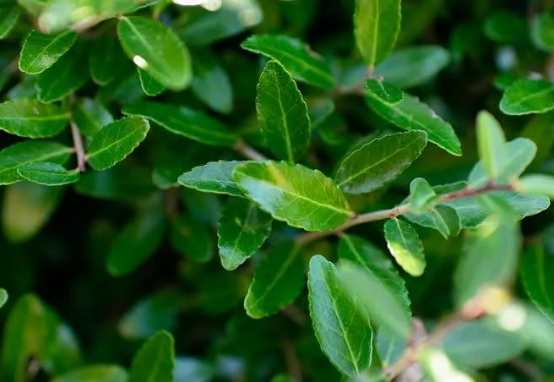
Yaupon — resilient native shrub historically used for tea and wellness traditions in the South.

Yaupon
Ilex vomitoria

Yaupon is a native evergreen shrub historically brewed as a tea in the South and valued for its resilience in changing landscapes. Its presence reflects long-standing traditions of using local plants for everyday wellness and community life.
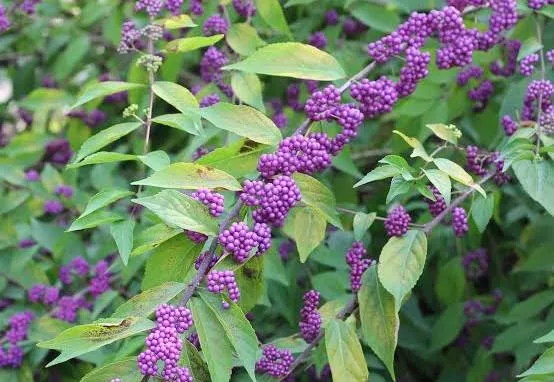
American beautyberry — native shrub recognized for its berries and traditional uses in community plant knowledge.

American Beautyberry
Callicarpa americana

American beautyberry is a native shrub known for its bright purple berries and long-standing presence in Southern landscapes. It has been remembered in folk plant knowledge and is a visible marker of seasonal change and ecological richness in heritage landscapes.
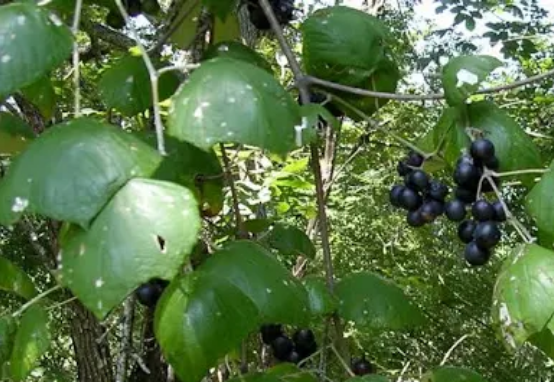
Mustang grape vine — native grape associated with seasonal harvesting and Southern land-based food traditions.

Mustang Grape
Vitis mustangensis

Mustang grape is a native vine found throughout Texas and the South, producing grapes often used for jelly, preserves, and seasonal foods. Vines like these reflect how communities gathered and preserved what the land provided, transforming harvest into tradition.
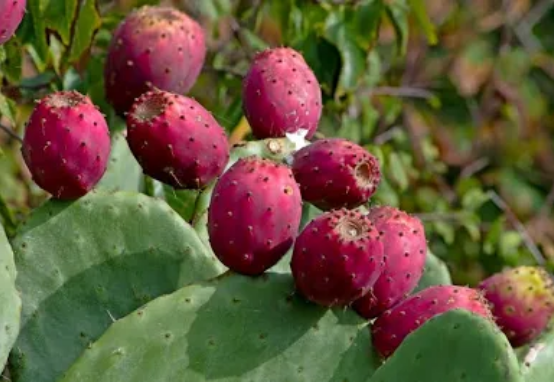
Prickly pear cactus — culturally significant Texas plant connected to land use, food traditions, and resilience.

Prickly Pear
Opuntia spp.

Prickly pear cactus is a culturally significant Texas plant used historically for food, medicine, and survival knowledge. Its resilience symbolizes how communities adapted to harsh conditions, using land-based knowledge to sustain health and nourishment.
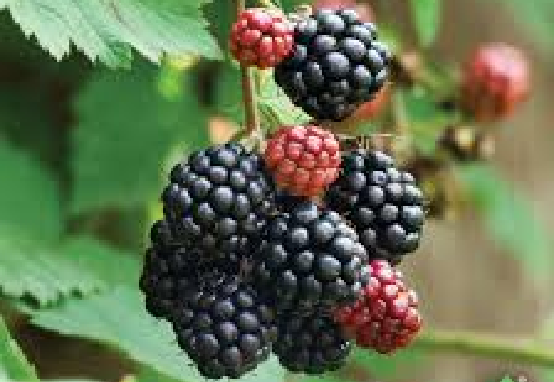
Dewberry vine — native berry plant associated with seasonal gathering and Southern food traditions.

Dewberry
Rubus aboriginum

Dewberries are native trailing berry plants closely related to blackberries and traditionally gathered for eating, pies, and preserves. Their seasonal harvest reflects local knowledge of wild foods and the practice of sharing what the land produced.
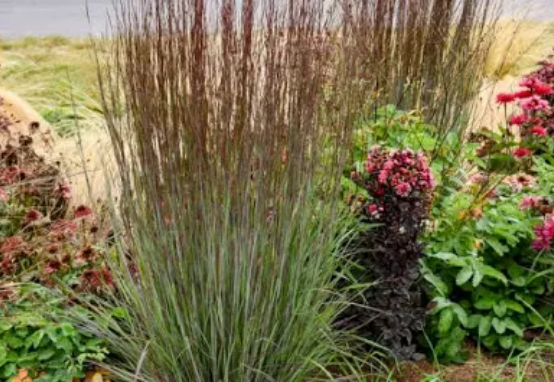
Little bluestem — native prairie grass that supports soil stability and reflects the region’s historic savannah ecosystem.

Little Bluestem
Schizachyrium scoparium

Little bluestem is a native prairie grass important for soil health and habitat, often associated with historic savannah and prairie ecosystems. Its presence supports conservation education and helps tell the ecological story of the land alongside community history.
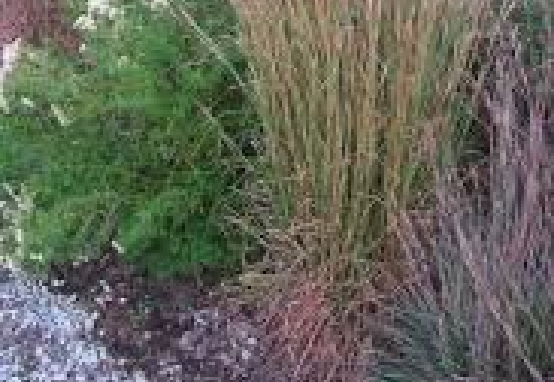
Broomsedge bluestem — native grass common in transitional landscapes and historic prairie ecosystems.

Broomsedge Bluestem
Andropogon virginicus

Broomsedge bluestem is a native grass common in Southern fields and transitional landscapes and often appears where land has been historically grazed or managed. It is a recognizable marker of how land changes over time through use, stewardship, and natural cycles.
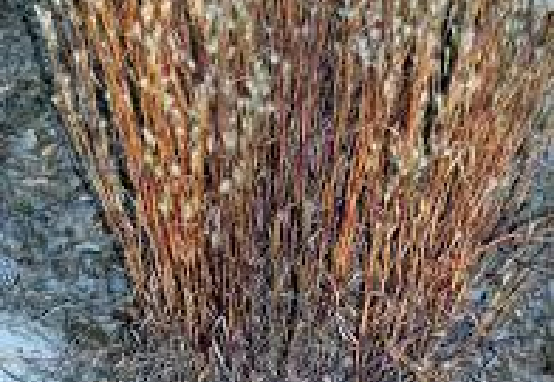
Splitbeard bluestem — native grass supporting rangeland structure and habitat in regional landscapes.

Splitbeard Bluestem
Andropogon ternarius

Splitbeard bluestem is a native grass found in prairie and open woodland ecosystems and valued for supporting habitat and land stability. It reflects the ecological richness of heritage landscapes and supports education about conservation and land stewardship practices.
Hickories

Splitbeard bluestem is a native grass found in prairie and open woodland ecosystems and valued for supporting habitat and land stability. It reflects the ecological richness of heritage landscapes and supports education about conservation and land stewardship practices.
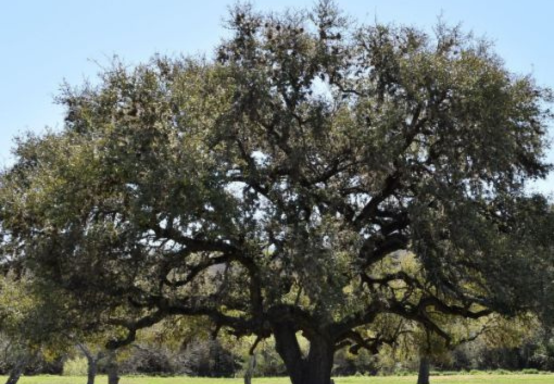
Live Oak

Splitbeard bluestem is a native grass found in prairie and open woodland ecosystems and valued for supporting habitat and land stability. It reflects the ecological richness of heritage landscapes and supports education about conservation and land stewardship practices.
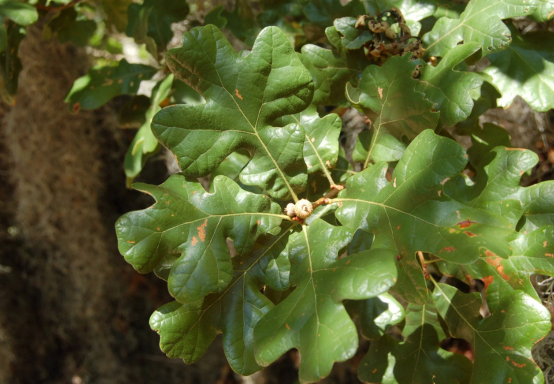
Post Oaks

Splitbeard bluestem is a native grass found in prairie and open woodland ecosystems and valued for supporting habitat and land stability. It reflects the ecological richness of heritage landscapes and supports education about conservation and land stewardship practices.
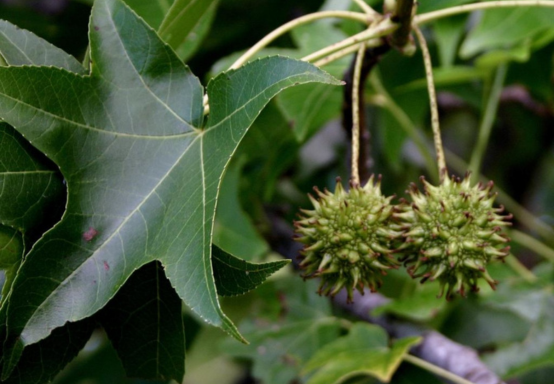
Sweet Gums

Splitbeard bluestem is a native grass found in prairie and open woodland ecosystems and valued for supporting habitat and land stability. It reflects the ecological richness of heritage landscapes and supports education about conservation and land stewardship practices.
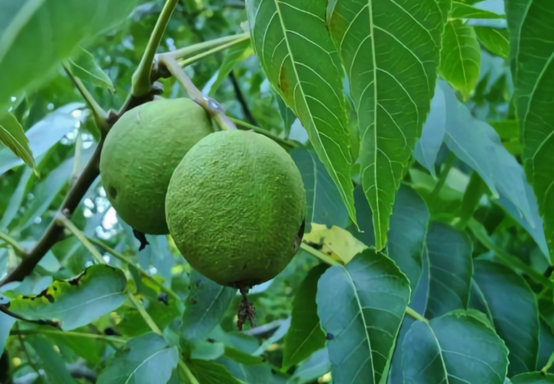
Walnut Tree

Splitbeard bluestem is a native grass found in prairie and open woodland ecosystems and valued for supporting habitat and land stability. It reflects the ecological richness of heritage landscapes and supports education about conservation and land stewardship practices.

Plant names are listed with common names first, followed by scientific names to support education, identification, and preservation documentation. Images are used for educational and interpretive purposes and are credited to their original sources where applicable.

Black Walnut Legacy: Healing, Foodways, and Spirit

Black Walnut trees are more than part of the landscape—they are part of the cultural record. Walnut traditions connect to agriculture, land stewardship, foodways, and women’s knowledge systems. In many Black rural families, land-based remedies supported midwifery care, postpartum support, cleansing practices, and community wellness. Plant knowledge was not only practical—it was sacred, carried through memory and teaching.

Walnut traditions are also tied to foodways. Seasonal ingredients and home-grown harvests shaped what was cooked, shared, and remembered—including community staples like tea cakes, often prepared for family visits, church gatherings, and moments of care.

Heritage Recipe Archive

Foodways are preservation. In many Black rural families, recipes were carried like oral histories—taught through practice, shared during visits, and passed down through women’s care systems. Tea cakes, often rolled by hand and cut with a butter cup or small cup, were more than a sweet treat. They were part of hospitality, community gathering, and spiritual care—offered in homes, at church events, and during moments of support.

These traditions were often connected to land-based knowledge: walnuts harvested from the landscape, teas brewed for comfort, and cleansing practices tied to wellness and protection. LCHS preserves heritage recipes and plant traditions as cultural evidence—protecting how land, memory, and women’s knowledge sustained community life across generations.

Tea Cakes as Community Foodways

Tea cakes are a historic Southern food tradition deeply familiar in many Black households and often tied to women’s knowledge, hospitality, and caregiving. Rolled by hand, cut with a butter cup or small cup, and shared during visits, church gatherings, and moments of care, tea cakes preserve history through everyday practice. Recipes—like oral histories—carry memory forward, sustaining community connection through flavor, ritual, and the simple act of making something to share

RECIPE

Black Southern Tea Cakes (Rolled + Butter Cup Cut)

This recipe reflects a traditional Black Southern tea cake style—rolled, cut with a butter cup or small cup, and flavored with vanilla and cream of tartar. Families often added walnuts based on tradition.

Ingredients:
Instructions:

Tour Highlight: The Walnut Walk (Land as Archive)

The Walnut Walk is a guided heritage learning experience that explores how Black Walnut trees and other historic plants connect to Black land stewardship, women’s healing traditions, and cultural memory.

Scroll to Top